
Explore how JAX scientists are decoding the genetic and molecular factors underlying biological function and human disease.
 Models and Services
Find JAX mouse models, platforms and services to enable discoveries, inform decision-making and de-risk preclinical drug development.
Get the training you need to succeed in today’s scientific and clinical settings with our courses, mentored research and educational resources.

New and long-standing workshops at The Jackson Laboratory empower researchers with cutting-edge tools, data, and collaborative opportunities.
View more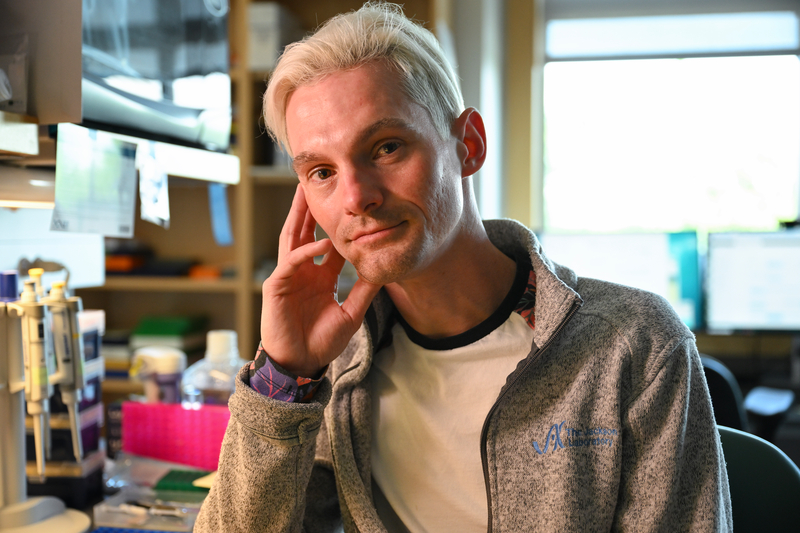
The models offer clear insights into how alternating hemiplegia of childhood progresses—and how it might be stopped.
View more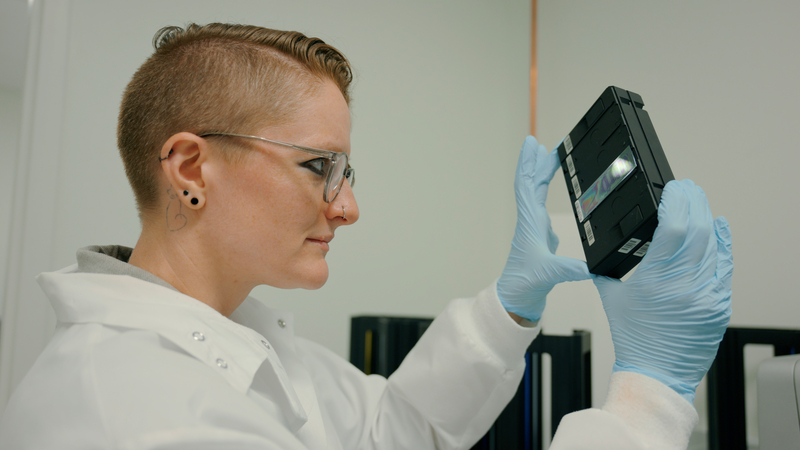
What if brain tumors could be more accurately diagnosed? Melissa Kelly and the JAX Advanced Precision Medicine Laboratory are changing the lives of patients through cutting-edge testing.
View more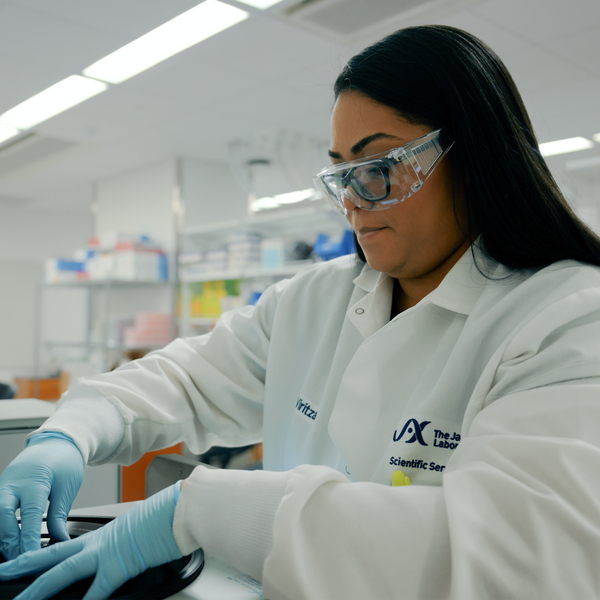
Here at JAX, we are bridging the gap between mouse and human data to drive biological discovery and accelerate translation to the clinic. With the latest equipment, methodologies and best-in-class core services, our highly collaborative and diverse research teams are overcoming long-standing challenges in a variety of research and disease areas.
Developing the most sophisticated models and applications, we are committed to providing you with the tools that propel science.

Education runs deep at JAX, and our many in-person, virtual and online education programs reach thousands of learners each year across the globe. Whether you’re a high school student or postdoctoral associate exploring careers in science, or a practicing clinician or established scientist, you’ll find something new to learn at JAX.
Careers at JAX
Become a part of a community dedicated to making a difference across the globe. Come work within a collaborative and supportive culture where you can make an impact on day one.